Skip to Content

Intelligent Forestry Survey

Powered by 3D Scanning

Why Traditional Forestry Surveys Are Holding You Back

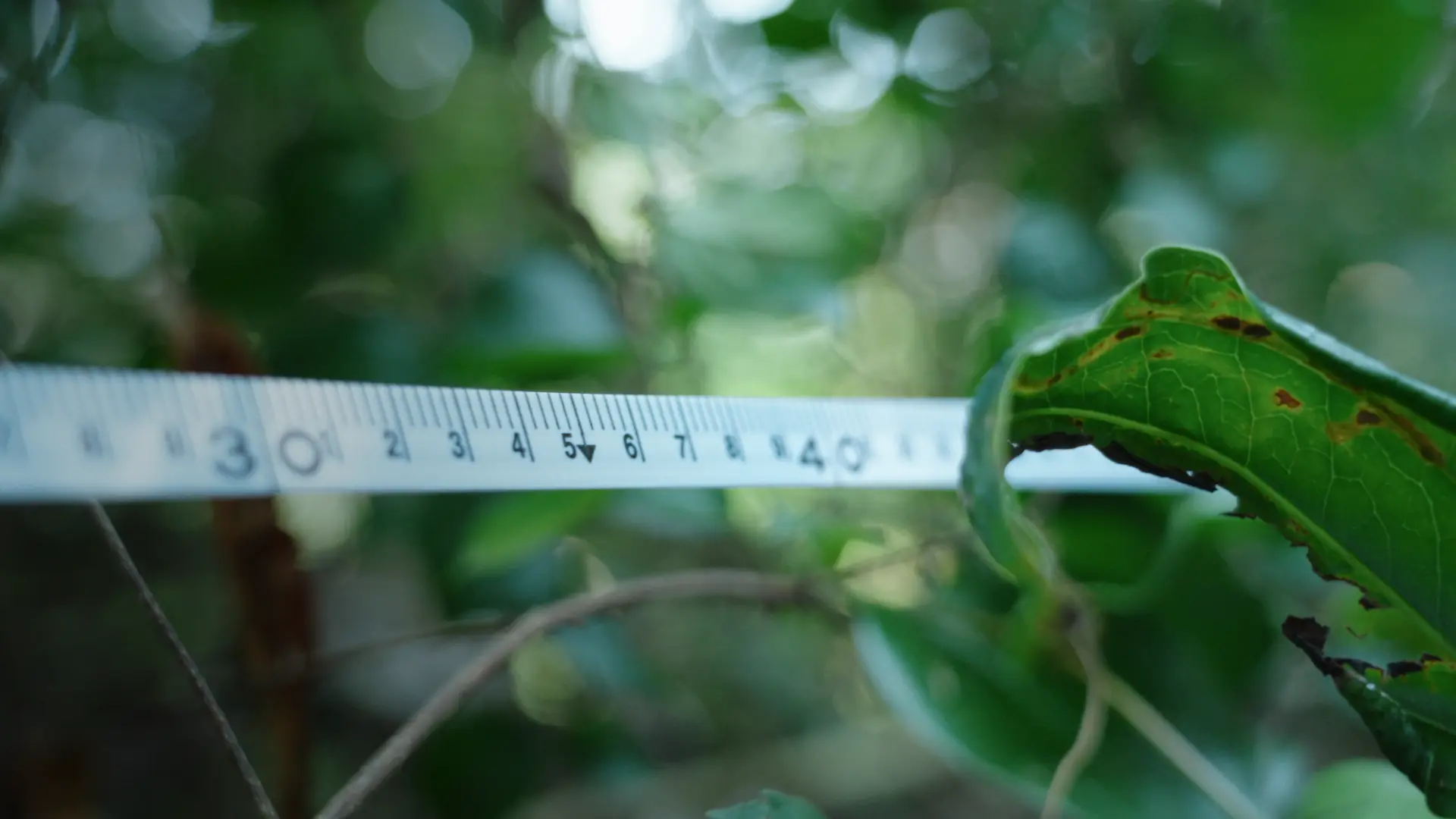
Forestry surveys are the foundation of forest management, carbon estimation, and sustainability planning. Yet many field teams still rely on manual, contact-based measurements that are slow to execute and difficult to scale across large or dense forest areas. 

Slow, labour-intensive fieldwork

Manual measurement requires surveyors to approach each tree individually, working in teams for extended periods. In dense or large forest areas, this process quickly becomes exhausting, time-consuming, and difficult to scale.

Limited accuracy in complex environments

Uneven terrain, dense vegetation, and human error introduce inconsistencies. Small deviations in DBH or height can significantly affect timber volume and carbon storage calculations.

High effort, limited usable data

Despite heavy field effort, traditional surveys often produce only basic results. Extracting deeper insights or building digital forest models requires additional tools and repeated work.

Why The FJD Trion Forestry Survey Solution

The FJD Trion Forestry Survey Solution is built around 3D LiDAR scanning and intelligent processing, enabling fast, non-contact acquisition of forest structure data and automated extraction of key tree parameters.

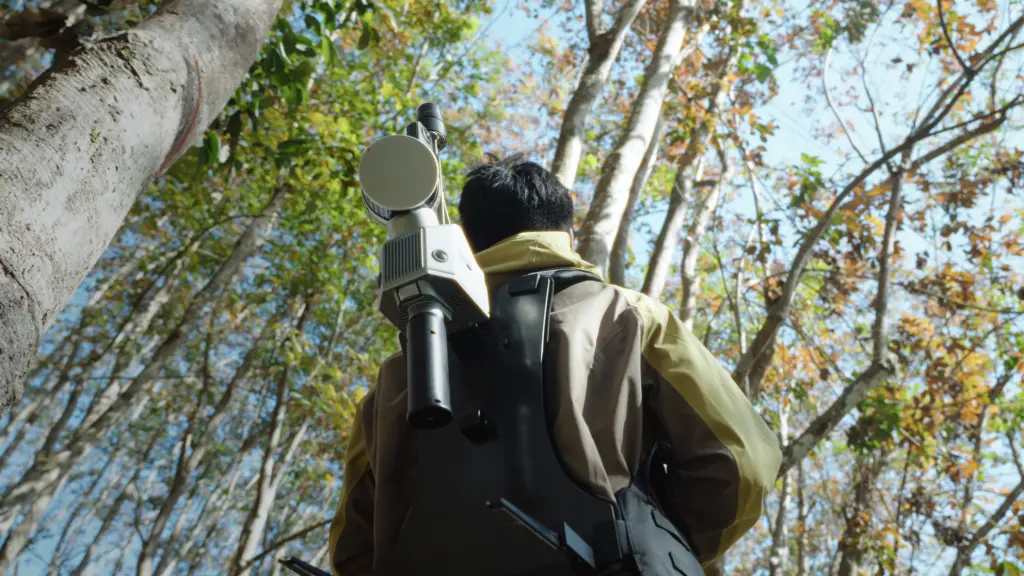
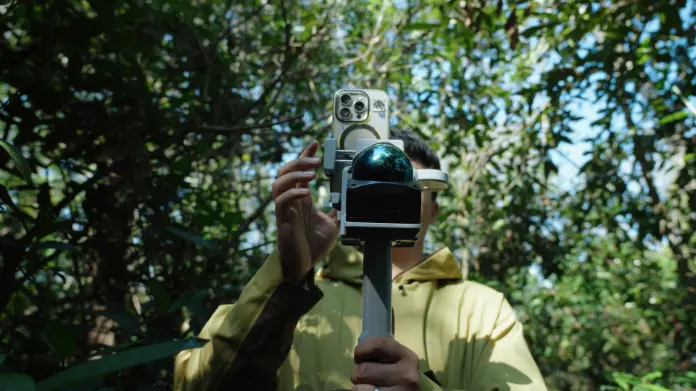
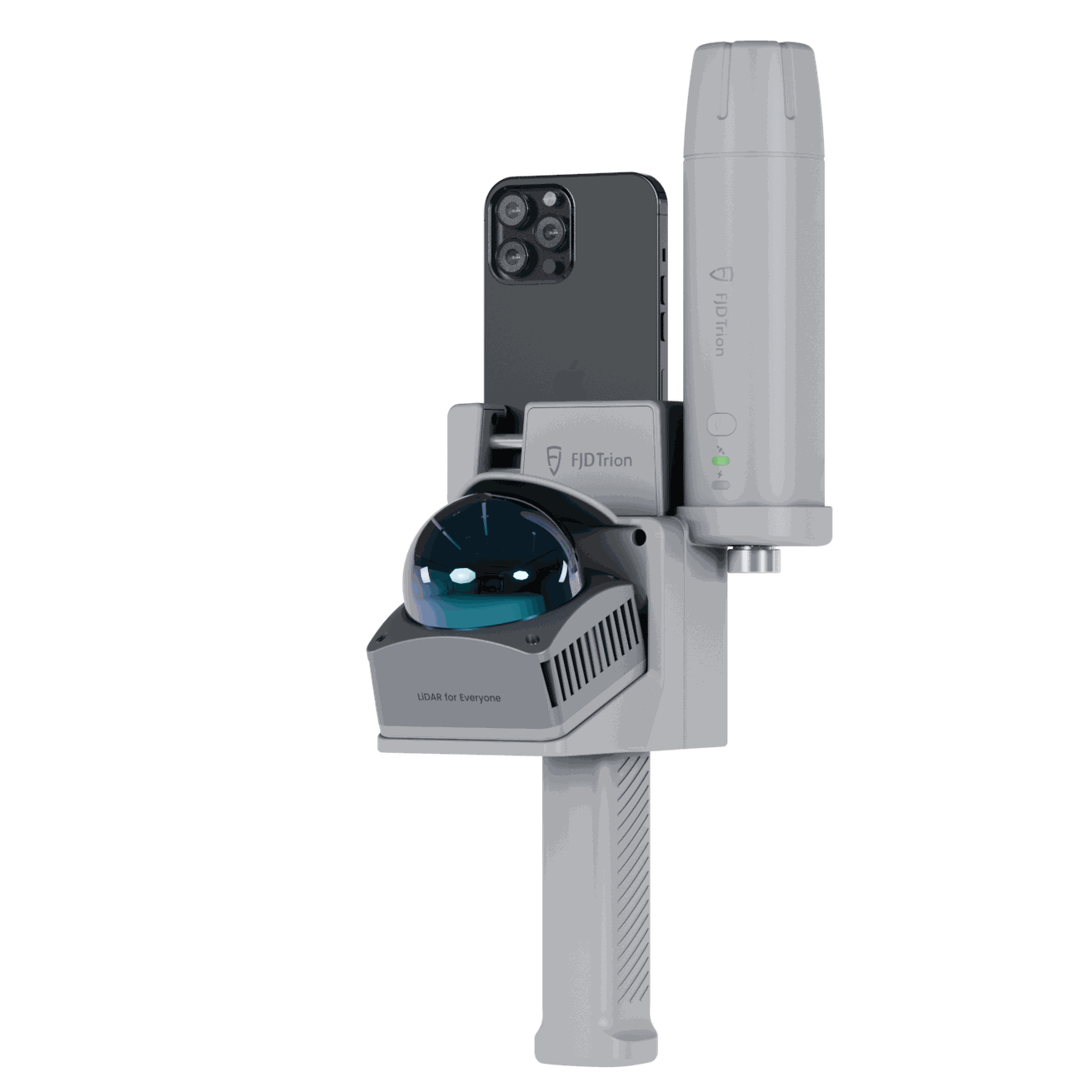
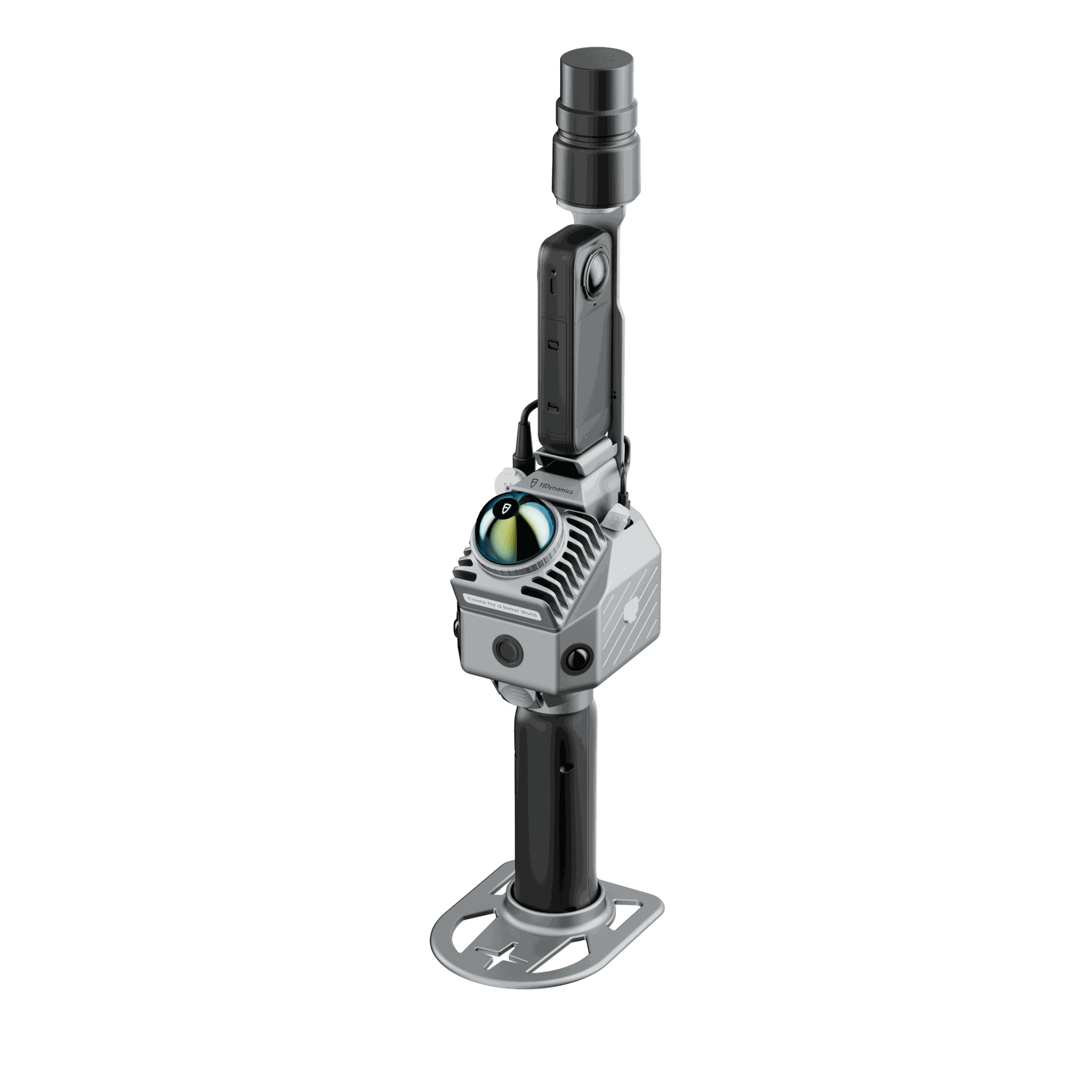
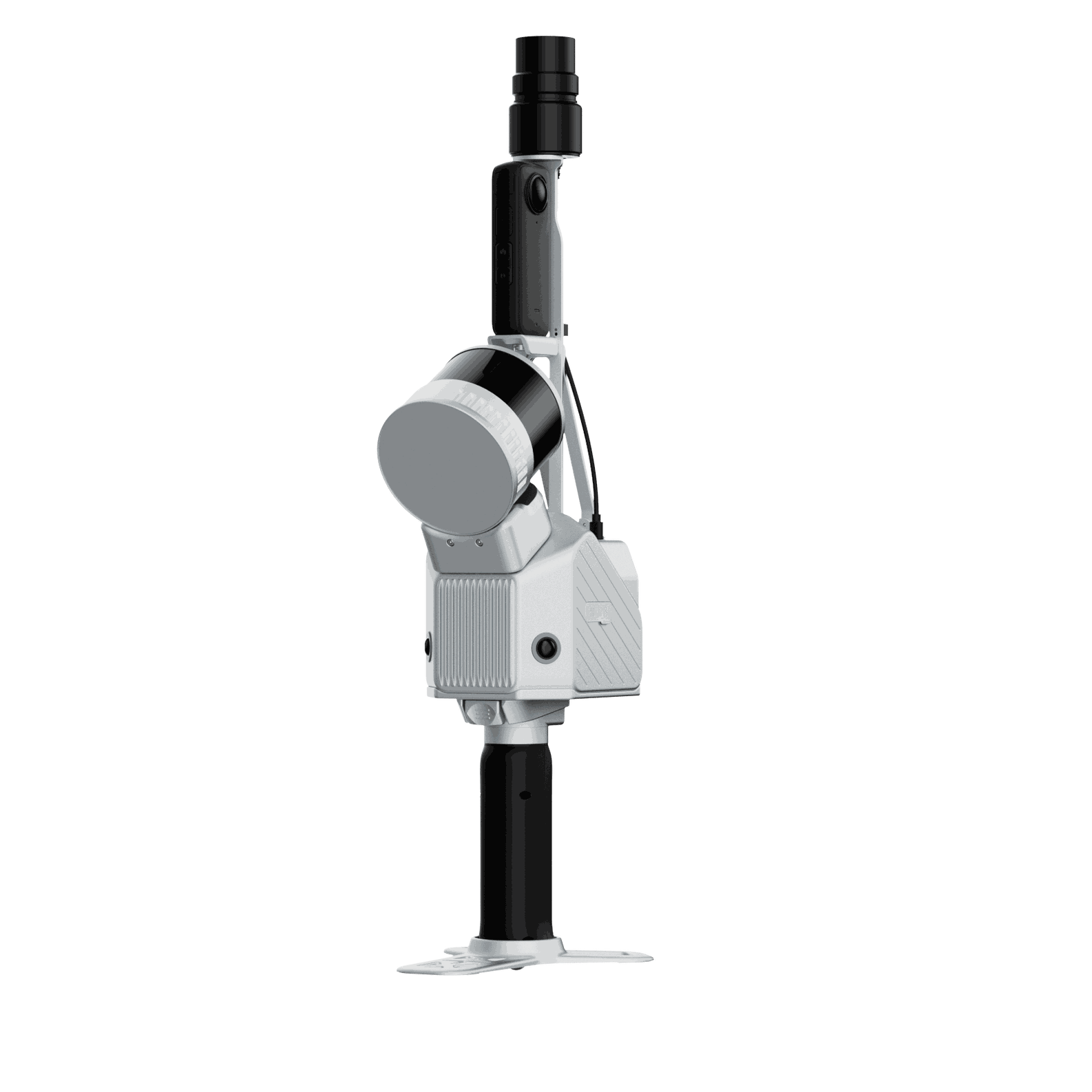
The solution is powered by the Trion P2, Trion S2, and Trion V4e LiDARscanners, which support different deployment modes for different forest conditions — from handheld walking surveys in dense plots to flexible multi-platform scanning in larger areas. This allows forestry teams to choose the right device setup and complete high-quality surveys with minimal crew size and higher operational efficiency.

Fast, non-contact data capture
3D LiDAR scanning captures tree trunks, canopies, and terrain without touching vegetation — improving efficiency while protecting forest ecosystems.
One-person operation, up to 90% time savings
Lightweight scanners enable a single operator to complete surveys that once required multiple people and days of work, reducing field time from 8 hours to about 1 hour and increasing survey efficiency by up to 90%.
Automatic tree-level parameter extraction with 97% accuracy
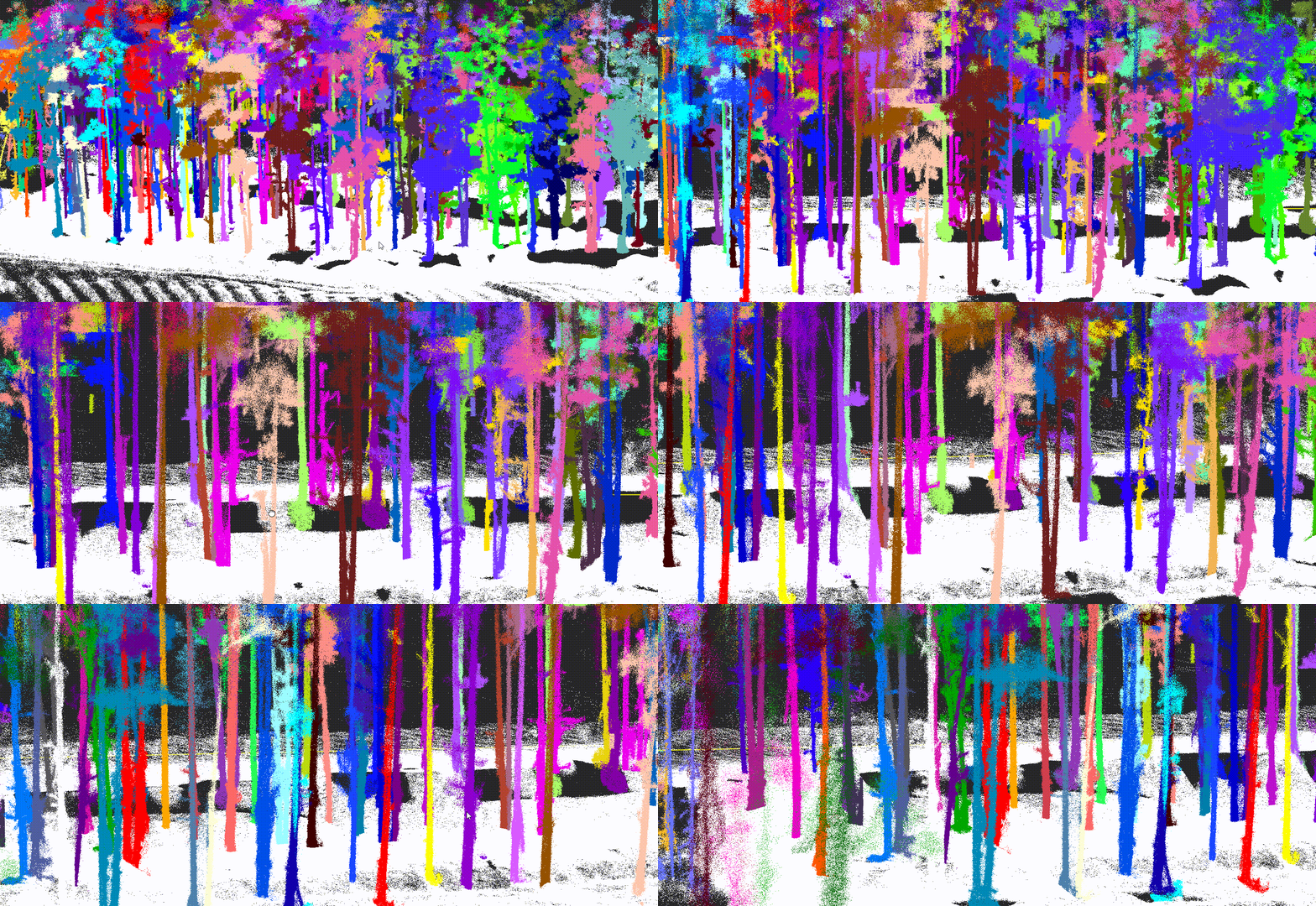
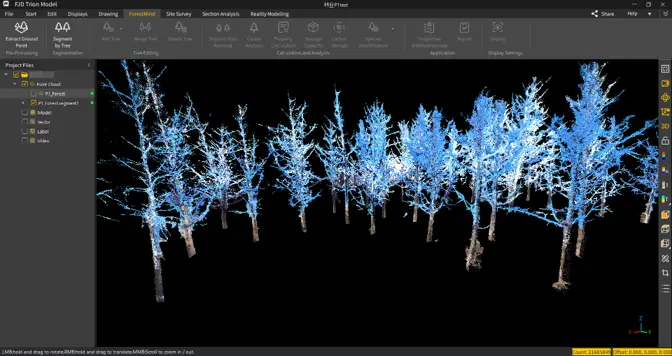
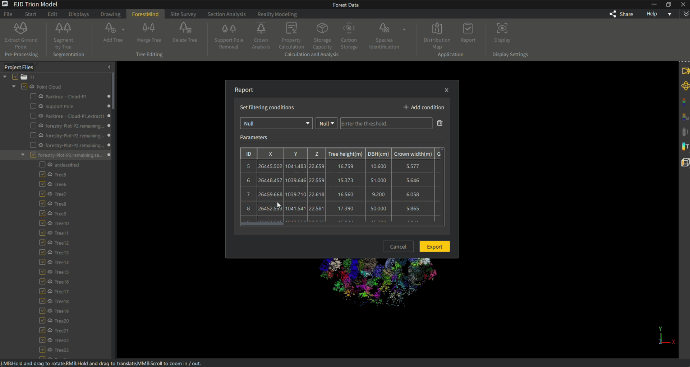
Collected point cloud data is automatically processed to segment individual trees and calculate key parameters such as height, DBH, crown width, and position. The automated measurement workflow achieves 97% accuracy, with 0.9 cm average DBH error and 0.7 cm mean error — turning raw scans into structured forestry datasets.

1. Scan the forest 

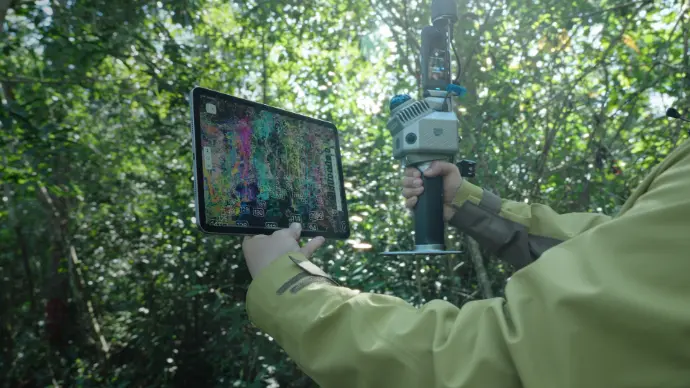
Walk naturally through the survey area with a handheld or mounted scanner. Real-time point cloud preview ensures complete coverage on site.

2. Process and analyze 

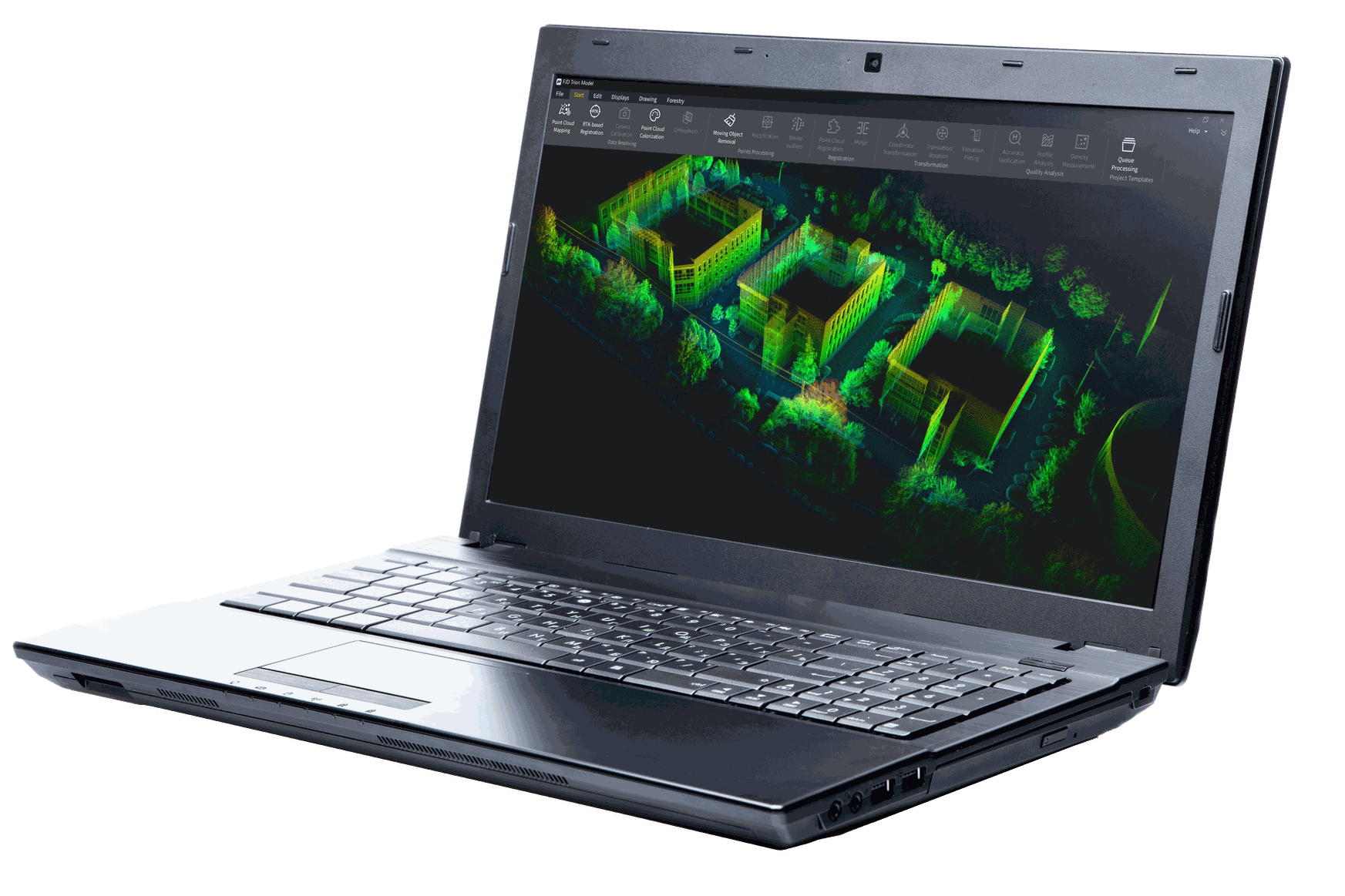
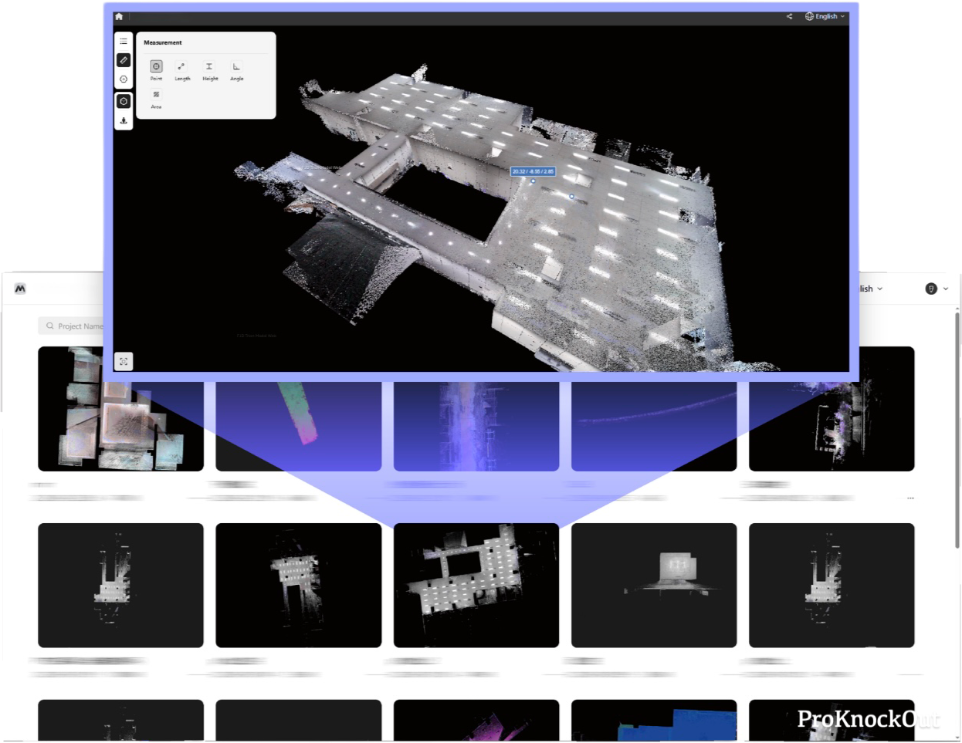
Data is imported into FJD Trion Model software, where ground points are extracted, trees are segmented, and forestry parameters are calculated automatically.Click here to watch the Forestry Module Tutorial.

3. Report and integrate

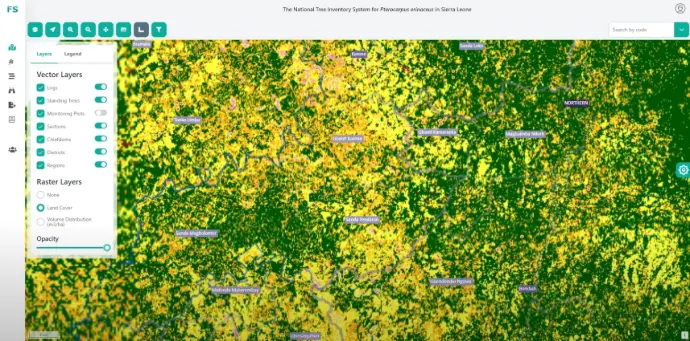
Professional forestry reports are generated in just a few clicks and can be integrated into forestry management platforms for long-term monitoring and planning.

Proven in Real Forestry Projects

The FJD forestry survey solution has been validated across academic research, commercial forests, and government projects — delivering centimeter-level accuracy and significant efficiency gains in real-world environments.

Forestry Research with the University of Tokyo

In collaboration with the University of Tokyo’s forestry research team, FJD Trion LiDAR scanning technology was applied to advanced forest structure analysis and data modeling workflows. By combining high-quality 3D point cloud capture with automated tree parameter extraction, researchers significantly improved data completeness and measurement efficiency in complex forest plots. The project demonstrates the solution’s value in academic and scientific forestry research environments.

Romania Forest Core Research Program

FJD Trion solutions have been adopted in Romania’s forest core research initiatives through cooperation with government-related forestry agencies. The deployment supports standardized forest data collection and digital analysis workflows across multiple survey projects. The successful rollout of multiple software licenses confirms the solution’s reliability and suitability for large-scale, institutional forestry programs.